You know you’ve been in this industry long enough when you can tell at a glance that an exhibit is doing exactly what it was asked to do and still missing the mark.
The structure is up and areas defined.
The graphics are vibrant and in place.
The products are displayed.
The messaging checks every internal box.
And people still walk by.
When that happens, the conversation usually turns to size, visibility, or flash. “We need to go bigger.” “We need to show and say more about what we do.” “We need more technology and gadgets they can play with.” But after years of working shows, talking with leadership teams, and watching people move through exhibit halls, I’ve learned this. Most exhibits are not underperforming because they lack effort or investment. They are underperforming because they were designed to fill a footprint instead of connect with the person standing in front of them.
That is the difference between filling a space and designing an experience.
Filling a space is about presence.
Designing an experience is about intention.
When teams focus on filling a space, the thinking often starts with what needs to fit. How many workstations can we use. How many products should be displayed. How many messages need to be included so nothing feels left out. It feels thorough and safe. Everyone sees their priorities represented.
Attendees are not arriving fresh and focused. They are juggling meetings, noise, crowds, and information overload. They are making decisions in seconds, often subconsciously, about where to stop and where to keep moving. An exhibit that tries to communicate everything at once does not feel helpful. It feels demanding.
Designing an experience starts with a different mindset.
Who is this for, and what do we want this moment to create?
That question shifts the focus from structure to people.
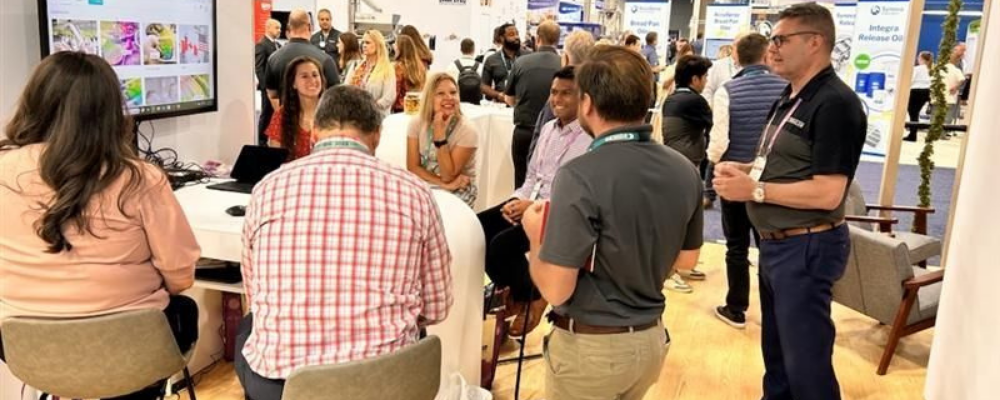
An experience is not just about how someone moves through a space. It is about how they feel when they enter it. Do they feel welcomed. Do they feel understood. Do they feel like this brand knows why they are here.
Connection doesn’t come from adding more. It comes from choosing deliberately.
This is where experiential design often gets misunderstood. An experience does not have to be loud, flashy, or driven by technology. It does not require spectacle. Some of the most effective exhibit experiences I have seen were simple, calm, and confident. They created space for conversation instead of competing for attention.
What made them work was purpose.
Every feature had a role. The layout supported interaction, not congestion. The messaging invited dialogue instead of broadcasting. The environment made it easier for people to engage naturally, whether they were stopping for two minutes or twenty.
When I talk with decision makers, this is often where concerns surface. Leadership is focused on return. Sales teams want qualified conversations. Marketing wants the brand story represented accurately. And the people staffing the exhibit want something that feels authentic and workable over long days.
The assumption is that these needs are competing.
They are not.
When an exhibit is designed as an experience, it aligns them.
For leadership, intentional experiences create consistency. When the exhibit is built around a clear purpose, conversations stay focused. The brand shows up confidently across different shows, cities, and teams. That consistency makes results easier to evaluate and easier to scale.
For sales teams, experience-driven design supports better conversations. Instead of trying to explain everything at once, they meet attendees where they are. The exhibit becomes a starting point, not a script. It opens the door, then gets out of the way.
For attendees, an experience feels respectful and thoughtful. It does not overwhelm them or talk past them. It gives them room to engage on their terms. That is where trust starts.
This is also where the right exhibit partner makes a difference.
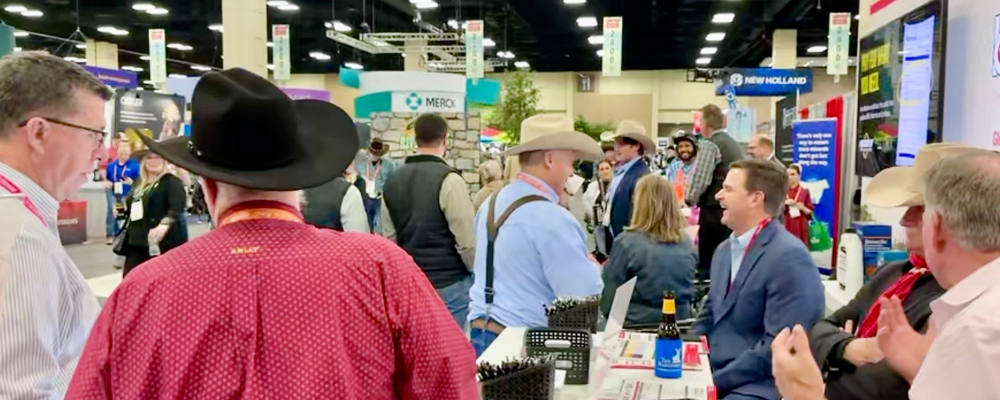
I have watched people step into exhibits and immediately slow down. Not because they were dazzled, but because something about the space felt intentional. It felt considered. It felt human.
That reaction does not come from accident or excess. It comes from design choices that prioritize purpose over presence.
When experience is treated as strategy, not decoration, everything changes. The exhibit supports the people using it. The messaging supports conversation. The environment supports trust.
And that is the part that matters most.
People don’t walk away remembering every detail they saw.
They remember whether the interaction felt worth their time.
That is the real difference between filling a space and designing an experience.
For over 35 years, Apple Rock has helped teams think beyond the footprint and focus on what an experience needs to do, not just what it needs to hold.
If you are rethinking how your exhibit program connects with people and supports your goals across a full show calendar, that is a conversation worth having. We are always open to talking through what that could look like.